

How to set your own personal KPIs
Personal KPIs come in many forms. Learn how to set your own personal KPIs using the SMART framework, plus a few recommended apps and tools for fitness and focus that may help get you started.

When Greg Clarke, the founder of Memair, reached out to my colleagues, he pitched a unique take on data monitoring called Quantified Self. Inspired by curiosity, Greg started tracking anything and everything related to himself, whether it was time spent on social media or activity levels, and realized others in the Ottawa community might be doing the same.
Greg started chatting and sharing techniques with the local community, including Klipfolio, about interests such as: Quantified Self, Life-Logging, Extended Mind and Extended Cognition.
As a running enthusiast, this naturally piqued my interest. Using Klipfolio to track my own personal KPIs was an idea I hadn't given much thought to before.
Working in a data-obsessed industry (business intelligence and analytics), it's not hard to imagine people tallying up their own personal KPIs, especially with the broad scope of technology available today.
After all, if you take pride in your work, you're likely in constant pursuit of doing what Cal Newport described in Deep Work:
"Wringing every last drop of value out of your current intellectual capacity."
That idea extends beyond the office. We all want more value out of our personal lives.
It's why we try to exercise regularly, eat well, sleep enough, and carve out time to unwind. These are our attempts to get more out of ourselves, not just our jobs.
How to set your own personal KPIs
One thing to remember about KPIs: they are guideposts designed to illuminate your path and keep your end goal in perspective.
KPIs in business are typically tied to financial objectives and business outcomes. If you want to increase revenue, you take your current position and use KPIs to plot the path forward. The same logic applies to your personal goals.
Smart KPIs don't require giant leaps. They focus on small, achievable steps that keep your goal in sight and keep you motivated.
When setting personal KPIs, start with your end goal and ask yourself:
What do I need to do today to start on this path?
If your goal is to wake up every morning at 5AM but you currently struggle to get out of bed by 7AM, flipping your alarm overnight won't work. Moving it back 15 minutes each week for a couple of months will.
The guideposts matter because they make the goal sustainable, not just aspirational.
When setting personal KPIs, use the SMART criteria: specific, measurable, attainable, relevant, and time-bound.
Specific: Is your objective clearly defined?
Measurable: Can you track progress toward the goal?
Attainable: Is the goal realistic given where you are now?
Relevant: Does the goal connect to something that genuinely matters to you?
Time-bound: Do you have a clear timeframe for achieving it?
How to measure your personal KPIs
Between wearable technology and apps, you likely already have access to everything you need to track your personal KPIs, whether that's spending habits, sleep quality, or fitness progress. This class of technology is built to keep you moving toward your goals.
The list of tools is long. Here are a few worth knowing, organized by fitness and focus.
Setting your own personal KPIs around fitness
Fitbit
Wearable technology has a way of becoming an addiction. Join a Fitbit walking group and tell me you don't feel compelled to go for a walk. The Fitbit app tracks activity, heart rate, sleep, and more, turning raw numbers into daily feedback you can actually act on. The social features, including step challenges with friends, add a layer of accountability that keeps the streak going.
Nike Training Club for Apple Watch
Nike Training Club is compatible with Apple Watch and offers a library of 180+ workouts for every fitness level. Bodyweight, strength, yoga, and more, all completable at the gym, at home, or in your backyard. Personalized training plans let you set your own routine and goals, so each session fits where you actually are, not where you wish you were.
For runners specifically, Nike Run Club lets you log goals, record your best times, and see how you stack up against friends.
MyFitnessPal
MyFitnessPal makes nutrition tracking accessible without a background in health sciences. Log meals, track calories, and watch your habits take shape over time. Communities like Reddit's r/loseit turn tracked stats into rallying calls and real stories that keep people going.
Create custom dashboards for you and your team.
Get started with KlipsCharity Miles
Charity Miles lets you give back while you work out. Log miles by running, walking, or cycling and choose an organization to support. Corporate sponsors donate a few cents for every mile you log, or you can invite friends and family to sponsor you directly. Progress toward a personal fitness KPI becomes progress toward something bigger.
The 7-minute workout
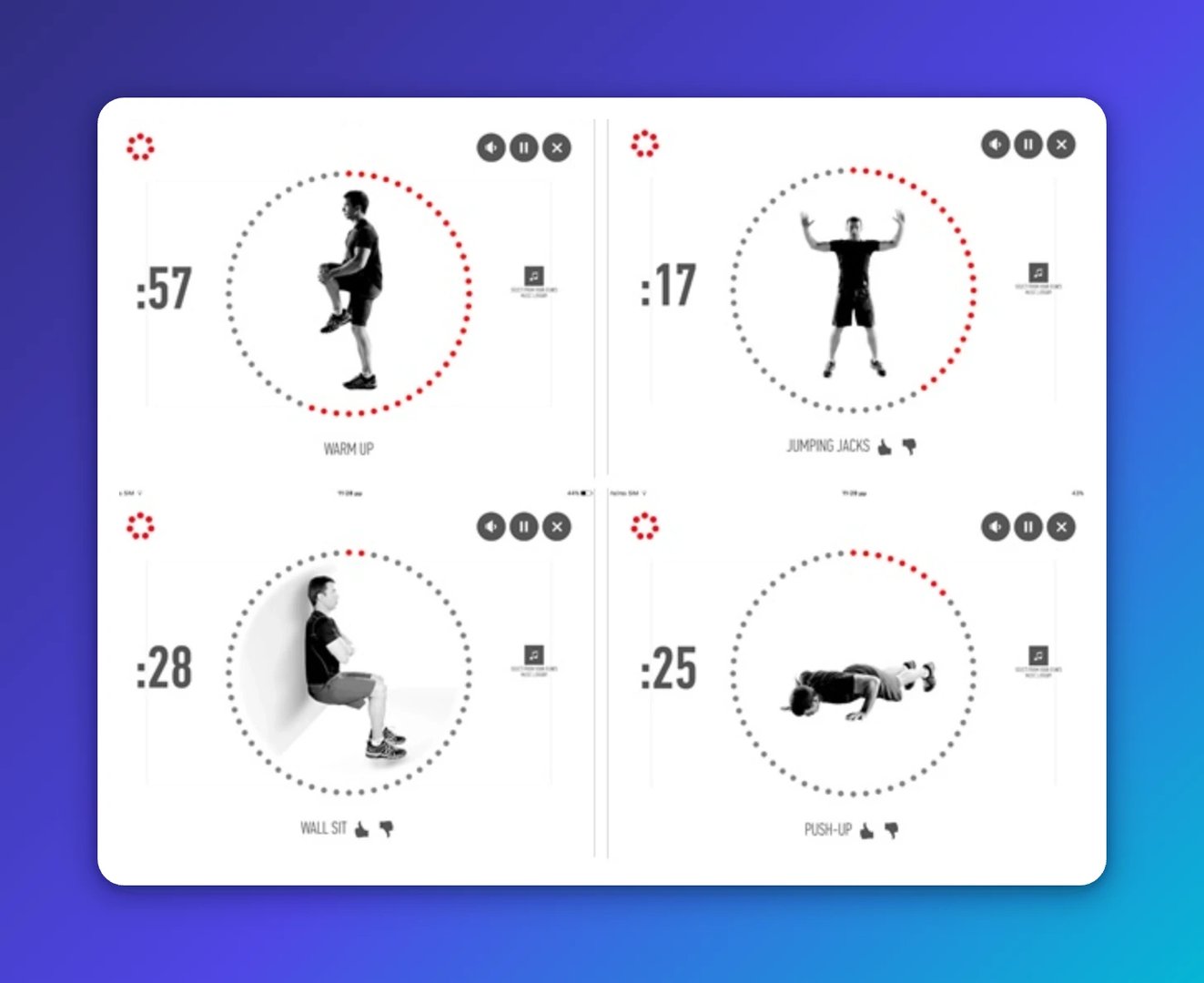
Short on time? The 7-minute workout format, popularized by a well-cited study in the American College of Sports Medicine's Health and Fitness Journal, uses high-intensity circuit training with just a chair and your bodyweight. Several apps offer this format, including options built into Google Fit and the Google Health app. Audio and visual cues guide you through each exercise, and the whole thing is done before most people finish their morning coffee.
Strava
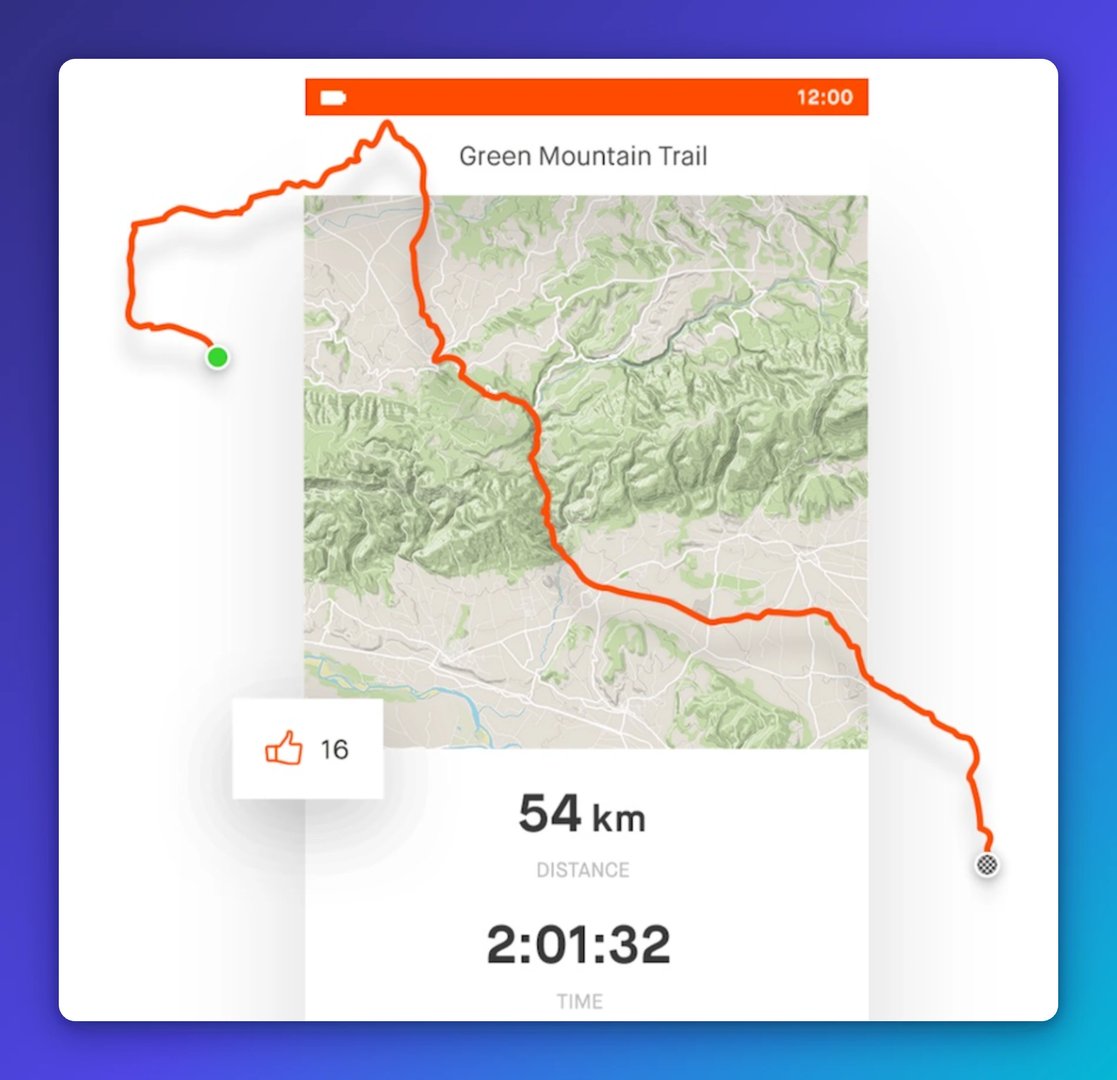
In an office full of cycling enthusiasts, it's hard to talk fitness tracking without mentioning Strava. It works for running, cycling, and swimming, and its ability to save routes and compare times against your personal bests is a genuine motivator. Strava uses GPS from your phone to track where and how fast you're moving, and the community leaderboards add friendly competition to what might otherwise be a solo habit.
Setting your own personal KPIs around focus
Pomodoro Technique
The Pomodoro Technique is a time management method where you focus for 25 minutes and take a 5-minute break. Developed in the late 1980s by Francesco Cirillo using a tomato-shaped kitchen timer, it works well for writing, studying, and deep research.
Many people use it in more advanced forms by grouping consecutive sessions and taking a longer break afterward. If you want to try it, Mac users can check these apps out. Windows and Android users can check these ones out.
Insight Timer
Insight Timer is used by more than 2 million meditators, making it one of the most widely used meditation apps available. It features experienced mindfulness teachers, flexible session lengths, and the option to simply set a timer and sit without guidance. What stands out: it starts you simply, tracks your streak from day 10, and is surprisingly social for something so personal.
Momentum
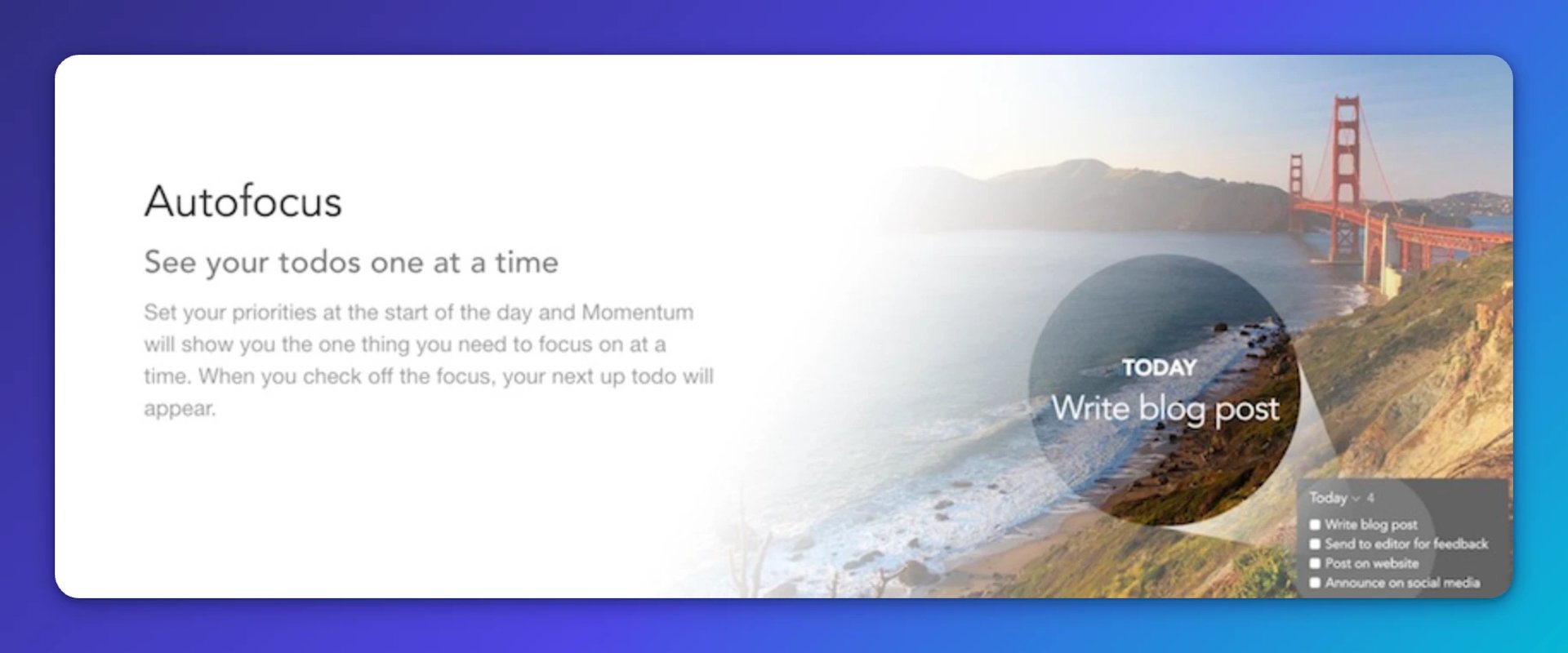
Momentum works similarly to Panda's Focus Mode, replacing your new tab with a clean dashboard that keeps your main focus front and centre. The "Autofocus" feature pins your to-do list to the right-hand corner so your priorities are always visible, not buried in another tab.
Create custom dashboards for you and your team.
Get started with KlipsFinal thoughts on personal KPIs
Improving anything starts with tracking the right things. You can't fix what you can't measure. As with any KPI, the work upfront, understanding what you want to measure and why, is what makes the rest of it stick. That's why working through SMART matters before you pick a single app.
With that foundation in place, the tools above become useful nudges rather than noise.
Personal KPI ideas to get started:
Daily resting heart rate: a reliable indicator of recovery and overall cardiovascular health
Hours of sleep: quantity and quality both count
Kilometres or miles logged: running, walking, or cycling
Minutes spent meditating: consistency matters more than session length
Daily calorie or nutrition targets: tracked against a clear goal
Weekly productivity score: self-rated or app-assisted, tied to your focus KPIs
To go deeper on the fundamentals, visit our What is a KPI? page. And if you're ready to put your personal metrics on a dashboard, see how data visualizations can bring them to life.
Published 2026-08-24
More in How To
Business Metrics vs. KPIs: What’s the Difference?

The 5 most important SEO KPIs for digital marketing success
What is a KPI, metric, or measure?

What are the best inbound marketing KPIs?

Klipfolio Partner How-To #1: Duplicating dashboards across client accounts

Klipfolio Partner How-To #2: Company Properties can simplify client set-up
Most recent
- AUG 11Beyond simple sign-ups: how True Trials and Activation predict growth
- JUL 7Why business leaders miss important trends in their dashboards
- JUN 19The best chart for the job: Visualizing data for non-technical users
- JUN 95 tips to understand (and organize) your restaurant data
- MAY 26Think in Horizons, Not Seconds
- MAY 2010 Cloud BI Dashboard Tools for Small Businesses in 2026